Renting a car in the Bay Area: the SFO rental center, bridge tolls and whether you need one
What to settle before renting a car for a Bay Area trip: how the SFO Rental Car Center is reached, how bridge tolls reach a renter, what the city says about parking, and which days need a car at all.

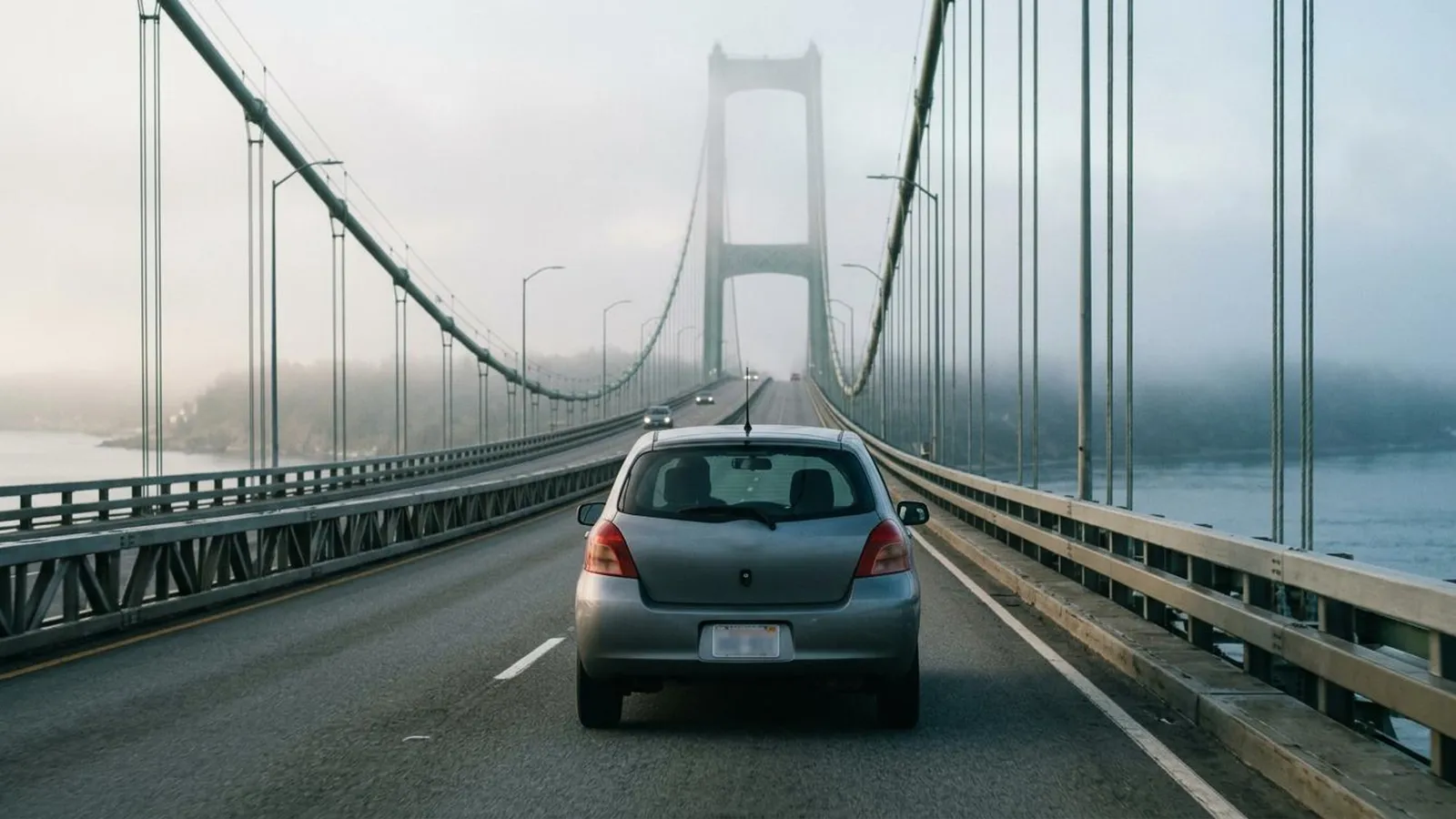
Before a Bay Area trip, decide whether to rent for the whole trip, for part of it, or not at all. Three local facts shape the answer. The rental counters at San Francisco International Airport (SFO) are reached by airport train, bridge tolls are collected electronically, and San Francisco parking rules vary by meter and by block.
This guide is reported, not experienced. It is built from the official pages linked below, read on November 15, 2026. It states no prices, fares or journey times; it says where to find them.
How the SFO Rental Car Center is reached
The two rental company location pages read for this guide both place their SFO branch in the airport’s Rental Car Center and both give the same route: take the airport’s AirTrain, on the Blue Line, from the terminal to the Rental Car Center (Enterprise at SFO and Avis at SFO, both checked November 15, 2026). Enterprise’s page adds that the AirTrain runs around the clock, and it names the floor its counter is on. Floors differ by company, so read your own company’s SFO page before you land.
The airport’s own rental car page could not be opened for this guide, so nothing here comes from it. Before you travel, check flySFO’s rental car page for the current list of companies in the Rental Car Center, any companies based off the airport and how their customers are picked up, and any AirTrain service notices.
The train ride sits at both ends of the rental, so allow for it. If you may return after hours, read your company’s instructions in advance; Enterprise’s SFO page describes an after-hours return area. The site’s pickup and return inspection guide covers the records to make when no one checks the car in.
A branch in the city is the other option. The airport versus off-airport guide sets out what to compare.
How Bay Area bridge tolls reach a renter
Bay Area FasTrak (checked November 15, 2026) lists eight toll bridges in the region, including the San Francisco-Oakland Bay Bridge and the Golden Gate Bridge, plus a set of express lanes on the freeways.
Take the Golden Gate Bridge as the example. Its operating district says tolling there is all-electronic, that cash is no longer collected at the bridge, and that the toll is charged in one direction only, southbound into San Francisco (Golden Gate Bridge district, checked November 15, 2026). With no booth to pay at, how the toll reaches a renter depends on the arrangement in place.
FasTrak’s rental vehicle guide (checked November 15, 2026) describes three ways a renter can pay, and what happens with none of them in place:
| Route | Bridges | Express lanes | What to check |
|---|---|---|---|
| The rental company’s toll program | Yes, with the company’s service fee on top of the tolls | May not be covered; FasTrak names PlatePass as the only rental program that can pay Bay Area express lane tolls | The fee, what triggers it and any cap, in your rental agreement |
| Your own FasTrak account and tag | Yes, once the rental’s plate and dates are added to the account | Check the FasTrak guide for the tag requirement | Whether your rental company’s program still charges; ask the company |
| A Short-Term License Plate Account | Yes | No, and no bridge discounts | The setup window on FasTrak’s page |
| Nothing arranged | The toll invoice goes to the rental company, which charges you under the rental agreement | FasTrak says the toll plus penalties apply and the notice goes to the address the rental company holds | Your agreement’s toll and administrative fee terms |
For the Golden Gate Bridge specifically, the district’s rental vehicle page (checked November 15, 2026) suggests asking the rental company whether you must opt in to or out of its toll program and whether it adds convenience or service fees after the trip. It also describes a one-time payment a driver can make before or shortly after crossing; the page gives the windows.
What rental companies charge for their toll programs, and when the fee is triggered, is covered in the site’s rental car tolls guide, which uses the Bay Area as its worked case. Those figures aren’t repeated here.
What the city says about parking
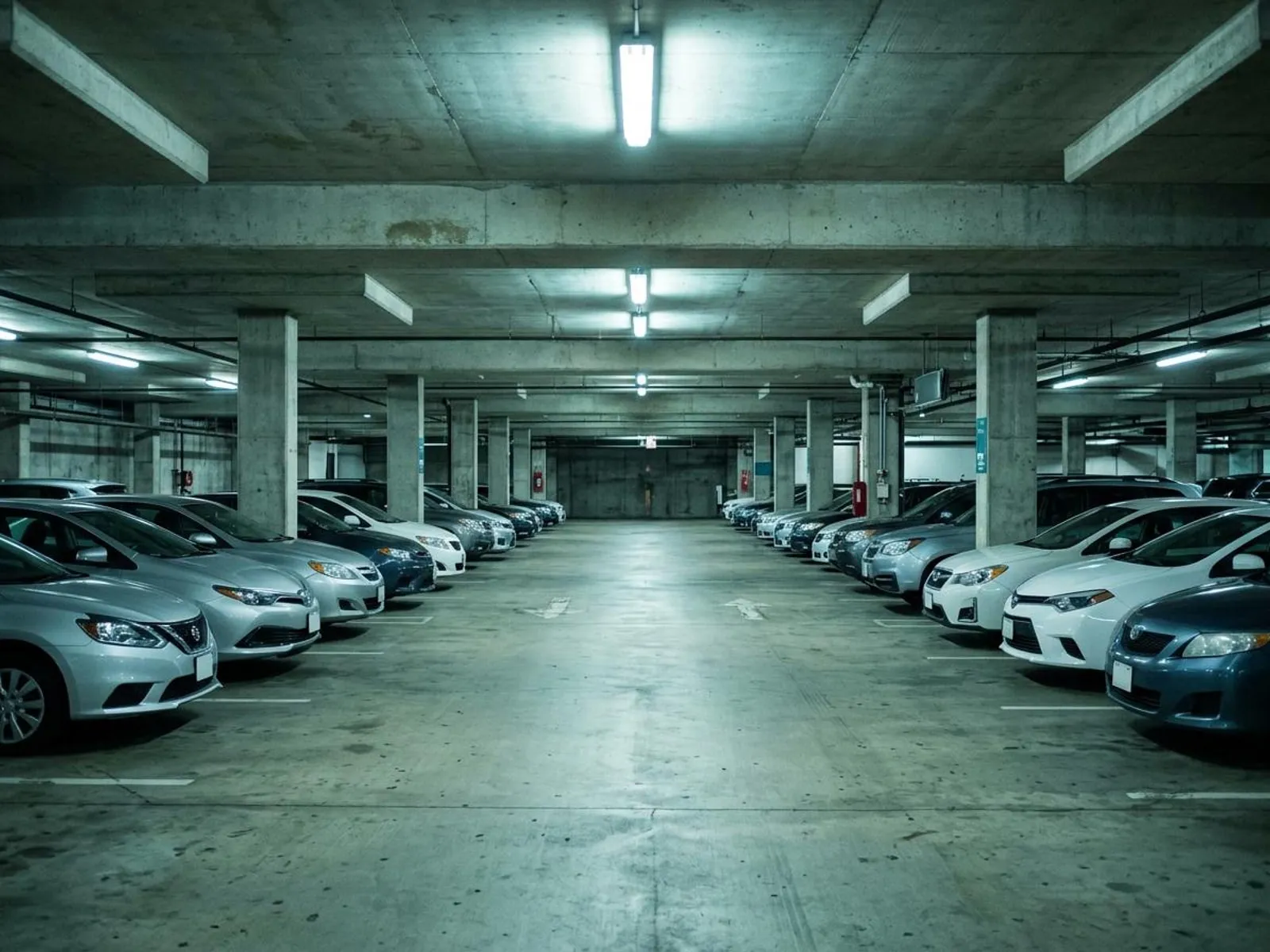
In San Francisco, on-street parking and city garages are managed by the San Francisco Municipal Transportation Agency (SFMTA). Its pages describe the rules a visiting driver has to follow:
- Meters. SFMTA says most meters have a time limit and that all meters accept coins, cards and pay-by-phone. It says hours and rates vary, so check each meter for its days and hours of operation (SFMTA parking meters, checked November 15, 2026).
- Prices that vary by block. SFMTA says it periodically adjusts meter and garage prices to match demand, and its page links to the rate adjustment announcements, including meter changes block by block (SFMTA demand-responsive pricing, checked November 15, 2026).
- Street cleaning, permit areas and tow-away hours. SFMTA’s advice page says you can’t park during posted street-sweeping hours until the street has been swept, that drivers without a permit must obey the posted time limit in residential permit areas and then move off the block, and that some zones become tow-away zones during commute hours (SFMTA, how to avoid parking tickets, checked November 15, 2026).
- Hills. The same page tells drivers to curb their wheels when parked on a grade, in a direction that depends on whether the car faces uphill or downhill, and to set the parking brake.
SFMTA’s Drive & Park page (checked November 15, 2026) also links to its list of city-owned garages and lots. If you are staying in the city, ask your hotel about parking before you decide how many days to rent.
Check your rental agreement for how the company handles parking citations and whether it adds a fee.
Which trips work by transit, and which don’t
No journey times are promised here. Use the operators’ own trip planners for your dates.
Served by rail, according to the operators. BART says its SFO station is in the International Terminal, with the domestic terminals connected to it by AirTrain (BART, SFO station, checked November 15, 2026). Caltrain lists stations from San Francisco down the Peninsula through Palo Alto and Mountain View to San Jose, and marks the stretch beyond, between Tamien and Gilroy, as weekday commute-hour service only (Caltrain stations, checked November 15, 2026). The regional 511 transit directory lists the Bay Area’s other bus, rail and ferry agencies. A trip between the airport, the city and stations on those lines can be planned on the operators’ pages without a car.
Not on those lines. The station lists above don’t reach every place a visitor might plan around; Caltrain’s list, for example, runs south from San Francisco and names no station north of the city. For a destination like that, look up the local operator in the 511 directory, and if the answer is a car, check the destination’s own page first, because driving can bring its own conditions. The National Park Service, for example, says reservations are required for all personal vehicles and shuttle riders visiting Muir Woods (NPS, Muir Woods, checked November 15, 2026).
The middle course. Many itineraries split into city days and out-of-town days. Renting only for the out-of-town days removes the city parking question for the rest. The site’s guide to a short rental during a longer stay covers how to price that against a whole-trip rental.
First-hand note
No first-hand note yet. This guide is reported from the official sources linked above.
Planning the rest of the trip
Bucketlist’s San Francisco Bay Area page covers what’s worth doing there. One experience on it is in Oakland rather than San Francisco: looking through a telescope at Chabot. That guide suggests checking the venue’s own travel information and thinking about the journey home, which is the point at which to decide whether the evening needs a car.
For the other parts of a Bay Area trip: Airline Ace covers choosing between SFO, Oakland and San José; and Railway Reviews covers how Amtrak reaches San Francisco. Hotel Hacker covers staying at or near SFO, and when a city hotel is the better choice.
Common questions
Do I need a car for a trip that stays in San Francisco? The official sources describe rail from the airport to the city and a parking system of metered, time-limited and permit-controlled streets. Whether that adds up to “no car” depends on your itinerary. Plan each day against the transit operators’ trip planners before booking a whole-trip rental.
Can I pay a Golden Gate Bridge toll myself in a rental car? The bridge district describes a one-time payment and a license plate account limited to the rental period, and FasTrak describes using your own account. Ask your rental company whether doing so avoids its toll program fee, and keep the payment confirmation.
Sources checked for this guide November 15, 2026: Enterprise SFO location page, Avis SFO location page, Bay Area FasTrak toll locations and rental vehicle guide, Golden Gate Bridge district tolls and payment and rental vehicles, SFMTA Drive & Park, parking meters, demand-responsive pricing and how to avoid parking tickets, BART SFO station, Caltrain stations, 511 transit agencies and NPS Muir Woods. flySFO’s rental car page could not be opened and was not checked. Check the current terms on your own rental agreement.