Rental car pickup and return: what to inspect and which records to keep
A short pickup and return checklist: what to look at, who to tell about existing damage, what after-hours returns change, and which records help you check a later charge.
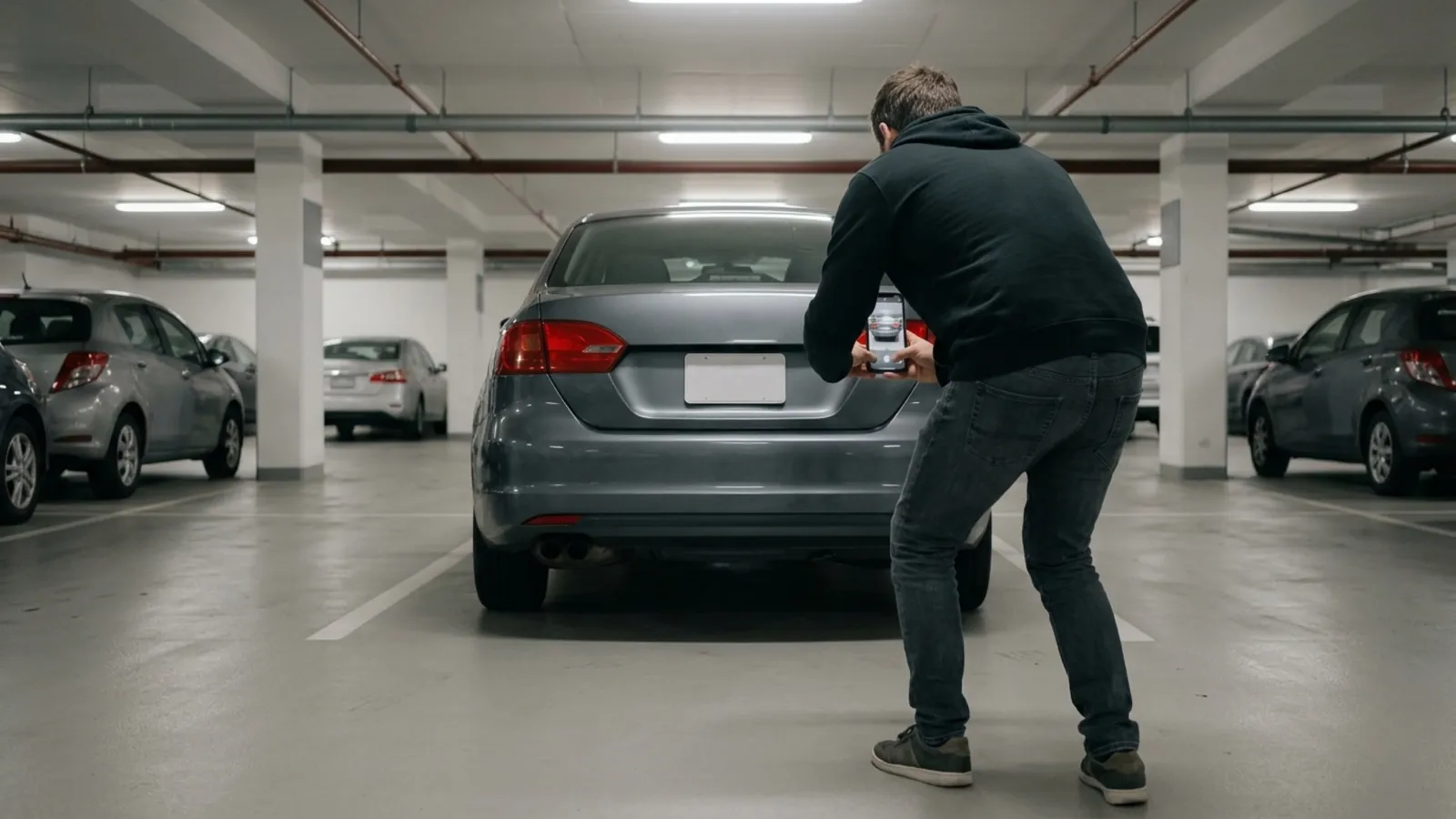
A short record of pickup and return gives you something to check if a charge arrives later. The aim is simple: know the car’s condition when you take it and when you hand it back, tell the rental company about anything wrong through the route it gives you, and keep records you can compare against a later charge.
This guide is for US rentals. Where we describe a company’s procedure, it comes from Avis’s and Enterprise’s published FAQs, read November 8, 2026. The checklist itself is our editorial suggestion. Photos help you check a charge, but they don’t decide who is responsible. That depends on your agreement and the rental company’s process.
At pickup
Avis’s inspection advice tells customers to check the car before leaving. It says to check for body or interior damage, dirt and signs of smoking. If the car isn’t satisfactory, Avis recommends going to the rental counter and speaking with an agent before you leave. It says you’ll be given another car if one is available, with no fees.
Our suggestions for what to look at:
- Body: each panel, bumpers, mirrors, and the roof if you can see it.
- Glass: the windshield for chips and cracks, plus the side and rear windows.
- Tires and wheels: obvious damage, low-looking tires and curb marks on the wheels.
- Inside: seats, carpets, the headliner, any smoke smell, and warning lights on the dashboard after you start the car.
- Fuel and mileage: the fuel gauge and odometer.
- What’s included: anything on the agreement, such as a child seat, a toll device or the spare-tire kit.
In a dark garage, use your phone’s light and look at the car from a low angle along each side. Scratches and dents are easier to miss in shadow. If you can’t see well enough to judge, say so to staff before you leave rather than guessing.
If something seems unsafe, such as a warning light, a damaged tire or a cracked windshield in your line of sight, don’t drive off. Ask for another car.
Telling the rental company
Photos you keep on your phone aren’t a report to the company. Use the company’s route:
- Avis: go to the counter and speak with an agent before you leave, as above. This is advice for recording the car’s existing condition, not an accident-reporting procedure. If a new incident happens during the rental, follow the company’s incident instructions and any applicable reporting requirements.
- Enterprise: ask staff at pickup how they want existing damage recorded; do not assume the Avis route applies.
Whatever the company does in response, keep a note of who you spoke to, when, and what you showed them.
At return
Avis’s smoking-policy FAQ describes an inspection and receipt at return in most cases, but also says inspection can happen later. That is not a promise that a receipt clears every possible damage charge. Ask for the return receipt before you leave, or check how the location sends it.
Take a few photos at the return spot: each side, the windshield, the fuel gauge and odometer, and the parking bay or return lane. Note the time.
After-hours returns
After-hours rules vary by company and location:
- Enterprise: its after-hours FAQ says airport locations allow after-hours returns; confirm the exact procedure at pickup. Non-airport branches require returns during business hours unless you’ve confirmed a drop box at pickup. In the non-airport section, Enterprise says after-hours vehicles are checked in the next business day and the renter remains responsible until satisfactory check-in. Do not apply that branch-specific wording as a universal airport return rule.
- Avis: confirm that the location offers after-hours returns and schedule the return in advance before leaving the keys in the drop box. Avis notes that a car returned after hours may be inspected later, when no return agent is there.
That makes your own return photos more important when nobody inspects the car with you. They don’t change the rules above.
Worked example (invented)
This scenario is invented to show the steps. It isn’t a real case or a promised outcome.
Pickup, 9 p.m., airport garage. Using a phone light, Sam notices a scuff on the rear bumper and a small chip low on the windshield. Sam takes close-ups plus wider photos identifying the car and the location of each mark, then goes back to the counter. Sam shows the photos to an agent and asks how the damage should be recorded. Sam notes the agent’s name and the time, and keeps the photos with the rental agreement.
Return, four days later. A return agent checks the car. Sam photographs it in the return lane, including the fuel gauge, and asks for the receipt.
Three weeks later. A letter arrives about a scratch on a door. Sam compares the date, the car’s plate and the location of the scratch with the pickup and return photos and the receipt. Sam then replies to the administrator named on the letter with those records.
What happens next depends on the company’s review and Sam’s agreement. The records make the comparison possible; they don’t decide it.
Checklist
- Walk around the outside: panels, bumpers, mirrors, glass.
- Check tires and wheels.
- Check the inside: seats, smell, warning lights.
- Photograph the fuel gauge and odometer.
- Confirm the extras listed on your agreement are in the car.
- Report anything wrong through the company’s route before you leave.
- Confirm the return location, time and after-hours option.
- Photograph the car at return and get the return receipt.
- Keep the agreement, receipts and photos until any later charges are settled.
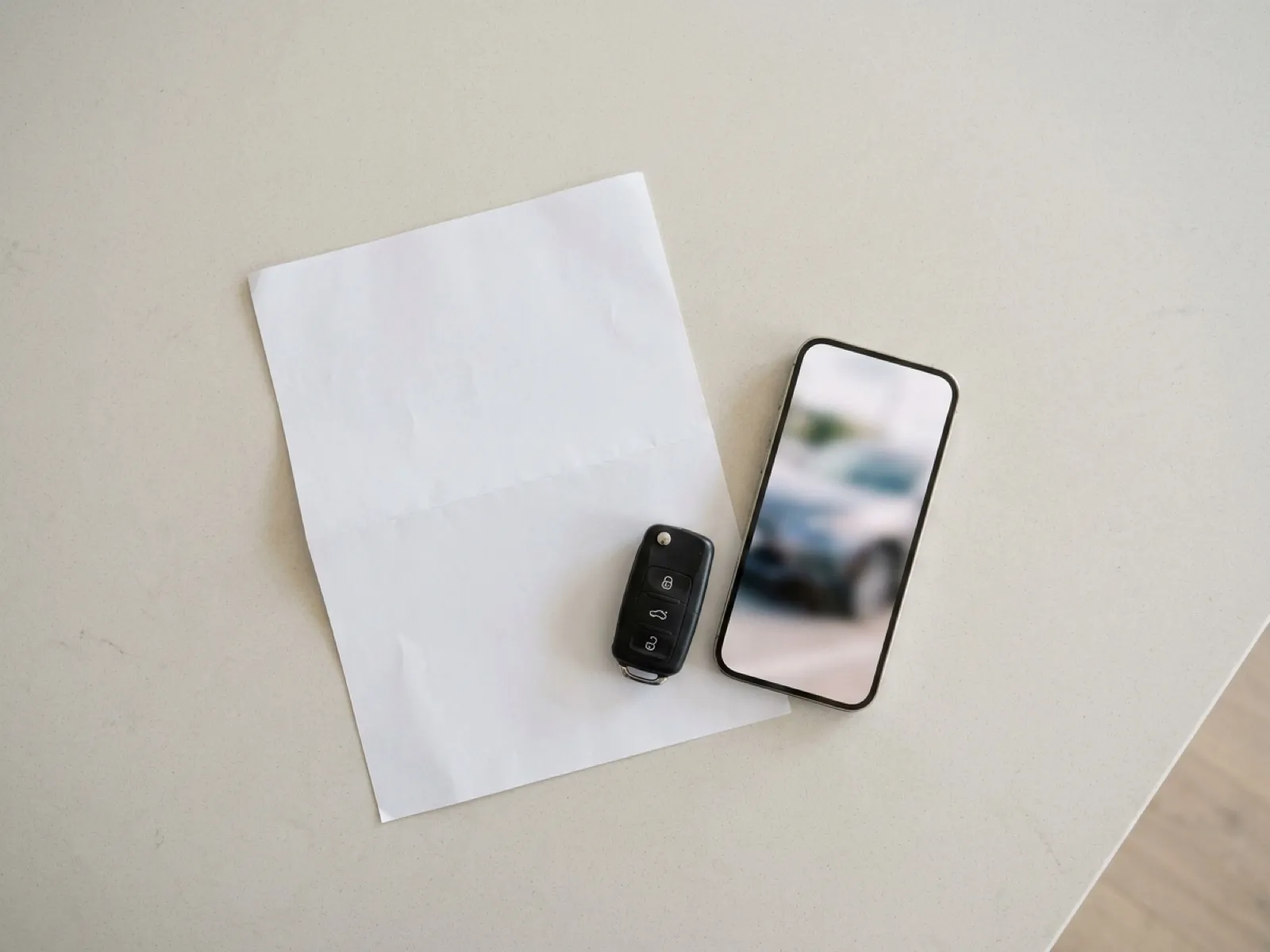
Want it on paper? Print our one-page rental car record and fill it in at pickup and return.
Coverage is a separate question
Inspection records do not replace coverage or determine liability. The agreement, any waiver and the terms of any insurance or card benefit still matter. Our damage-waiver guide and card coverage guide explain those choices and their limits.
Our booking guide covers what to settle before pickup.
Sources checked November 8, 2026: Avis inspection and smoking-policy FAQ, Avis return FAQ and Enterprise after-hours FAQ. Check the current terms on your own rental agreement.